Soil and Water Districts Might Seek Property Taxes


April 25, 2011

Soil and water districts might seek property taxes to offset state cuts Licking's looks at property-tax issue as state aid drops

Monday, April 25, 2011  03:04 AM
By Mary Beth Lane
THE COLUMBUS DISPATCH

Reducing state funding for county soil and water conservation districts might force them to cut workers and services, and it might prompt at least one district to seek its first local property-tax levy, officials say.

The Licking County district is exploring whether to ask voters in November to approve a new property tax. The amount has not been decided.

The property tax would make up for previous budget cuts by the Licking County commissioners and the looming state cut, said district Administrator Jim Kiracofe.

"The districts are a valuable resource, but most people don't know who we are," Kiracofe said.
 Each county has a conservation district. They were established by state law to protect soil and water and to work with farmers, developers, local governments and the public to promote good conservation practices and land use.

The Fairfield County district, for example, inspects new building lots for Violet Township to make sure that proper erosion control is included. The Franklin County district helps local communities meet environmental regulations on storm water.

County districts are required to match state funding dollar for dollar.

Conservation districts traditionally received money from the state general-revenue fund, the tax-supported and largest part of the state budget.

That funding is zeroed out in Gov. John Kasich's proposed two-year budget. Current funding is $2.9million annually.

Kasich's 2012-13 budget still provides money to the districts from fee-based funds at the same current annual amounts: $1.2 million from the construction- and demolition-debris waste fund, $3.3 million from the municipal solid-waste fund and $3.5million from the scrap-tire fund. Kasich wants to keep the scrap-tire fees for two more years rather than let them expire as scheduled June 30.

His budget also proposes reducing the local-government fund - part of which counties use to fund the conservation districts - by 25percent in the first budget year and another 25percent in the second.
The loss of the general-revenue-fund money and the reduction in the local-government fund would be a double hit for the conservation districts, worried officials say.

Rep. Denise Driehaus, a Cincinnati Democrat, has proposed a budget amendment that would restore general-revenue funding to the conservation districts.

Driehaus said last summer's shutdown of lakes that had been polluted by algae fed by farms' fertilizer runoff shows the need for the conservation districts, which work with farmers to contain toxins.

She also is confounded by Kasich's call for more natural-gas drilling using "fracking," a method that can generate wastewater laced with toxic metals and industrial chemicals, while he also would defund the conservation districts that protect soil and water.

"That makes no sense at all," she said.

The Ohio Department of Natural Resources, which distributes the state to conservation districts, recognizes the importance of their work and plans to help them cope with budget cuts, said department spokeswoman Laura Jones.

Balancing the budget required setting priorities and deciding what the general-revenue fund could support and what it couldn't, she said. Kasich hopes that the conservation districts will work together and with Natural Resources to share services and maximize the money they have, she said.

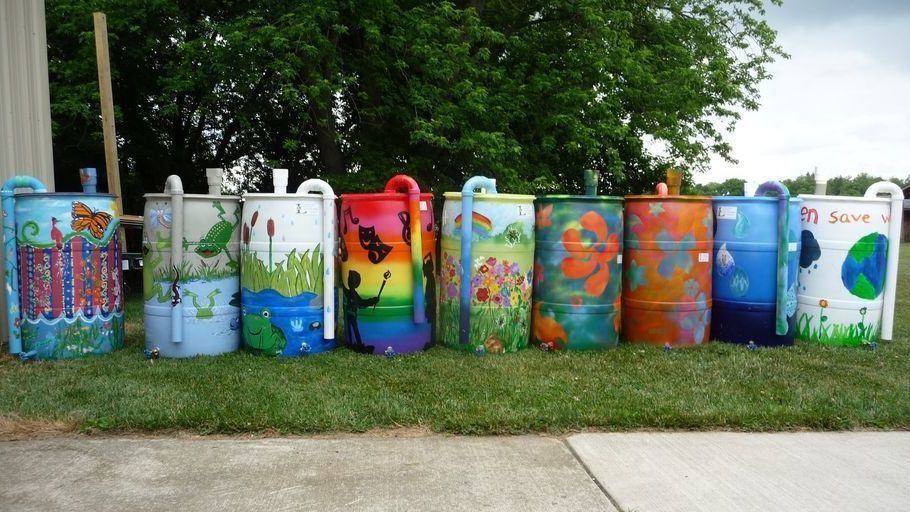
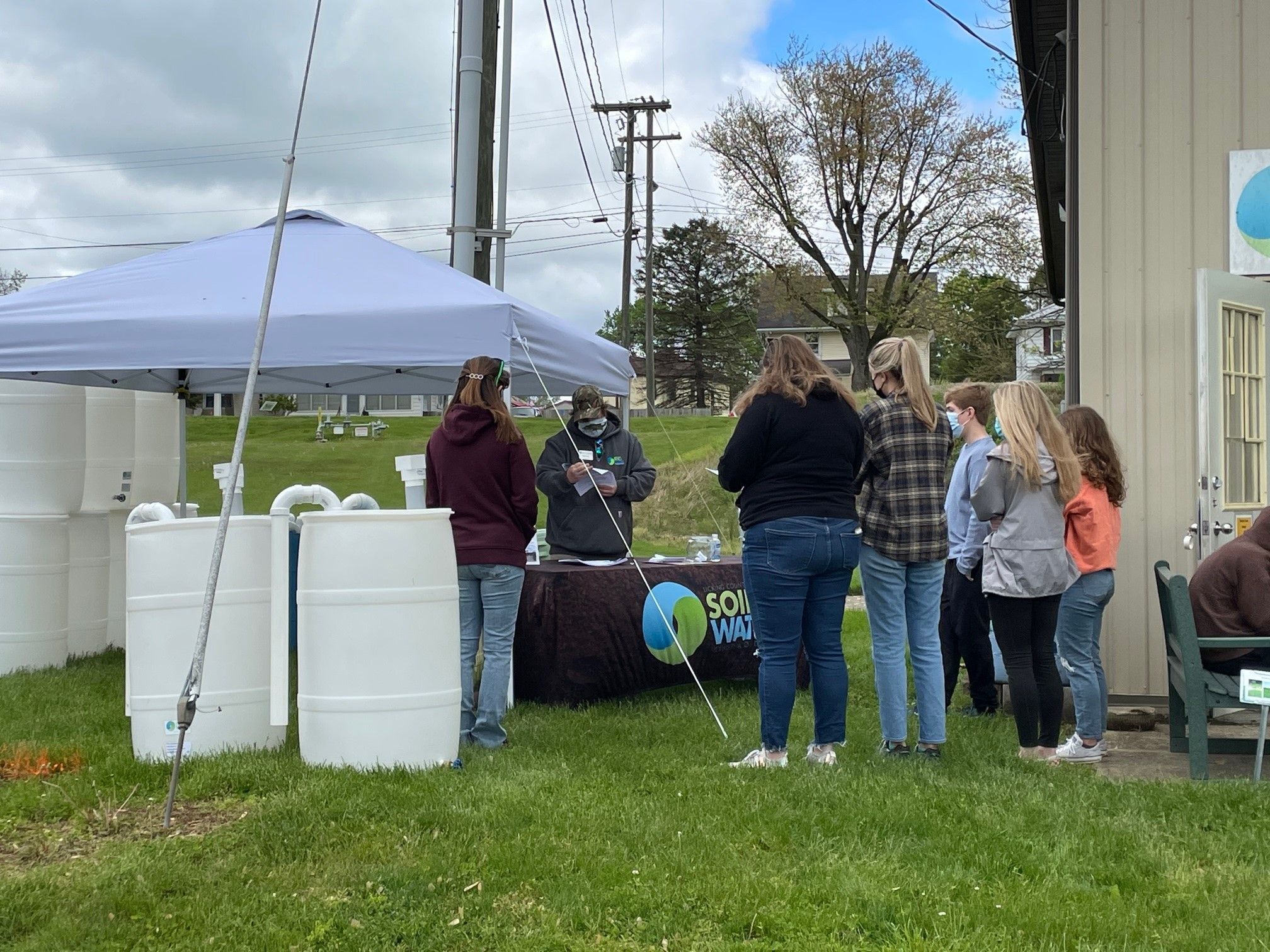
For the Franklin Soil and Water Conservation District, the cut could result in fewer workshops to teach the public about using rain barrels and rain gardens to conserve water and nourish plants. It also could mean that the district would either charge local governments more for the technical help provided on storm-water regulations or provide less service, said district Director Jennifer Fish.

The Fairfield Soil and Water Conservation District might take longer or charge more for a staff engineer to design tile-drainage systems for farmers to transform wet, unproductive acreage into better land for crops. There also might be less time to help local landowners apply for the state's farmland-preservation program, said district Manager Perry Orndorff.

"It's an uncertain time for all districts, being dependent on county and state funding. Both of those aren't the best right now," he said.

The Monroe and Noble conservation districts in eastern Ohio are the only two among the state's 88 that have a local property tax, said Kent Stuckey, president of the Ohio Federation of Soil and Water Conservation Districts.

In Licking County, district sales of rain barrels and seedling trees generate money that is put back into programs.

The district's Kiracofe is honing the message he will deliver if a property tax is sought. "Conserving natural resources today for your children's tomorrow. If we don't do it, who will?"

« Back to News